


The Impact of Incorrect Coding on Your Revenue Cycle
- Updated Date Apr 13, 2026
- Revenue Cycle Management
- Follow
When it comes to medical billing, every code matters. Even one small mistake in code can create a big problem. Sometimes payments get delayed for many weeks, sometimes claims get denied, and in some cases, money never comes back at all.
For example, if the diagnosis and procedure do not match, the payer will not approve easily. The billing team has to check again, fix the code, and send it again. This whole process takes time, and your payment gets stuck in between.
In this blog, you’ll learn how coding errors directly impact your income, where mistakes often happen, and how you can fix them before they slow your practice down.
How Incorrect Coding Hurts Your Revenue Cycle?
Incorrect coding does not just delay payments, it affects your entire revenue flow. Every denied or delayed claim creates a gap in your expected income, and when this keeps happening, your cash flow becomes unstable.
Overall, coding plays a crucial role in revenue cycle management. If coding is not correct, the insurance company doesn’t understand properly what service was done and why it was needed. Because of this, they either hold the claim or reject it. Over time, these small mistakes start building up. They slow down your revenue cycle, increase workload, and create stress for your team. Below, we have given a detailed breakdown of the worst-case scenarios and their solutions.
1. Delayed Payments
When coding is not correct, payments start getting delayed. Insurance company does not process the claim fast because something feels off in the details. They hold it, review it, or send it back. Then your billing team has to check everything again, fix the issue, and resubmit. This takes extra time, and till then, your practice is not getting paid. Slowly, these delays start affecting your daily operations and create pressure on your team.
2. Claim Denials and Write-Offs
Sometimes claims are not just delayed, they get fully denied. If your team does not fix the issue within the allowed time, that payment is lost. Then you either write it off or try to collect from patient, which is not always easy. Both situations are not good for your practice. Over time, even a small number of denied claims can become a big financial loss and reduce your overall revenue.
3. Wasted Time on Corrections
Fixing coding mistakes takes a lot of time and effort. Your team already busy with new claims, payments, and patient billing, and on top of that, they have to go back and fix old errors. They need to check notes, talk to provider, correct codes, and resubmit claims again. This breaks their workflow and slows down the process. Because of this, important work gets delayed and backlog starts building up.
4. Increased Risk of Payer Reviews and Checks
When coding mistakes happen again and again, insurance companies start noticing pattern. They may begin reviewing your claims more closely or ask for extra documentation. This creates more work for your team because they need to gather records and respond properly. In some cases, payer may even ask for money back if they find issues. Even if mistakes are not intentional, repeated errors can create trust problems with payers.
5. Poor Cash Flow
When payments are delayed or denied, your cash flow becomes unstable. You cannot predict when money will come, and this makes it difficult to manage expenses. It may affect your ability to pay staff, invest in tools, or grow your services. Even daily operations start feeling stressful. Over time, this financial pressure builds up and affects the overall performance of your practice.
Common Coding Mistakes to Watch Out For
Even small coding errors can lead to denied claims, delayed payments, and extra work for your billing staff. Most of these mistakes are preventable when you know what to look for. Here are the most common ones and why they matter:
1. Wrong diagnosis code
This usually happens when the diagnosis code does not match with what was actually treated or written in notes. Insurance companies check this to understand if the service was really needed or not. If diagnosis and procedure don’t match properly, they get confused and may flag or deny the claim.
You can see this in real cases. Like if a patient is taking therapy for back pain but the diagnosis code shows knee problem, then insurance will not understand why therapy was given. Because of that, they may deny the claim.
So what you need to do here is always check provider notes properly and make sure the diagnosis code is matching with the actual condition that was treated.
2. Missing modifiers
Modifiers are small codes but they give very important details about the procedure. They tell things like which side was treated or if multiple services were done together. If modifier is missing, insurance may not understand the full picture and may reduce payment or deny the claim.
This happens a lot in situations where both sides are treated but detail is not mentioned properly. For example, if surgery is done on both eyes but modifier is not added, then insurer may only pay for one side or sometimes not pay at all.
To avoid this, your team should clearly know when modifiers are needed and use them properly. Keeping a simple reference list also helps a lot in daily work.
3. Using old or expired codes
Codes keep changing every year. Some codes get removed, some get updated, and new ones get added. If your team is using old or expired code, insurance system will not recognize it and claim gets rejected immediately.
This is very common when teams are using old codebooks or system is not updated. Like using a procedure code from last year which is already replaced, then claim will come back and needs correction again.
So it’s important to keep your billing system updated and make sure your team is always using latest codes, not old references.
4. Upcoding or downcoding
Upcoding means showing a higher level service than what was actually done, and downcoding means showing lower level than actual. Both can create problems in billing. Like if doctor spent 20 minutes but coding is done for 60 minutes, it may raise questions from payer side.
To avoid this, documentation should be very clear. Time spent, complexity, and decision making should be written properly so coding matches exactly what was done.
5. Unbundling
Some services are meant to be billed together under one code. When those services are billed separately, it is called unbundling, and insurance usually does not allow this.
You will see this in lab tests mostly. Like when a panel test includes multiple things but instead of using one combined code, all tests are billed separately. This can lead to claim rejection or later correction.
So your team should know which services are bundled and use correct codes. Billing system can also help in identifying such cases early.
How to Prevent Coding Errors in Your Practice?
Preventing coding errors is not very complicated if you follow simple steps regularly. Keeping your codes updated, training your team, and using tools to check claims can reduce most mistakes. It is also important to review few claims every week to find patterns of errors. Clear documentation from providers also makes coding easier. When you build these habits in your workflow, your claims become cleaner and payments start coming faster.
Below are five proven ways to keep your coding clean and your cash flow steady:
1. Keep Your Codes Up to Date
Medical billing codes change every year. Some codes get deleted, others get added, and a few are revised. If your team uses old or outdated codes even by accident, the claim will likely get denied or returned.
How to stay updated:
- Make sure your billing software updates codes every year (usually in October for ICD-10 and January for CPT/HCPCS).
- Avoid using printed codebooks that are more than 12 months old.
- Subscribe to CMS or AMA newsletters for yearly coding updates.
Why this matters:
Using outdated codes is one of the fastest ways to trigger an instant denial. Keeping current saves time, reduces rework, and speeds up payments.
2. Train Your Billing Staff Regularly
Even experienced billers make mistakes, especially when payer rules change or new codes are introduced. Ongoing training helps your team stay sharp, spot errors early, and ask the right questions when something looks off.
What you can do:
- Hold short monthly team huddles to go over recent denials, common mistakes, or upcoming coding updates.
- Encourage your staff to attend free payer webinars or industry sessions on coding trends.
- Create a shared document where your team can drop questions or “tricky case” examples to learn from each other.
Tip: A 30-minute coding discussion every month can prevent dozens of hours spent fixing claims later.
3. Use Claim-Scrubbing Tools
Claim scrubbing is the process of checking a claim for errors before sending it to the insurance company. Most billing software has a “claim scrubber” that scans for mistakes like wrong diagnosis codes, missing modifiers, or outdated CPT codes. This helps reduce human errors, catch issues early, and improve clean claim rate. To use it properly, turn on all rules, keep it automated, and review errors daily. It works like a second check and helps avoid common billing mistakes.
4. Do Regular Internal Audits
A medical billing audit is a simple process of checking claims to find mistakes and improve billing accuracy. It does not have to be complex or scary. Even reviewing a few claims weekly can show patterns like missing modifiers or coding errors. Start by checking 5 to 10 claims from different services, confirm documentation matches codes, and spot repeated issues or missing charges. Use these findings to train your team better. Regular audits help catch small problems early before they turn into bigger revenue losses.
5. Improve Clinical Documentation
Even the best coders can’t fix a claim if the notes don’t support it. If the service isn’t documented clearly, it shouldn’t be billed. That’s why better provider notes lead to better billing.
What You Should Do Next to Fix Coding Issues?
If you are already facing coding issues, first thing you need to do is understand where exactly mistakes are happening. Just check your denied claims and see what common reasons are coming again and again. Then start fixing those areas slowly, don’t try to change everything at one time. Improve documentation, guide your team properly, and use tools which can catch mistakes early. With small small improvements, you will see denials going down and payments coming faster without putting extra pressure on your team.
When to Fix In-House vs When to Outsource Coding?
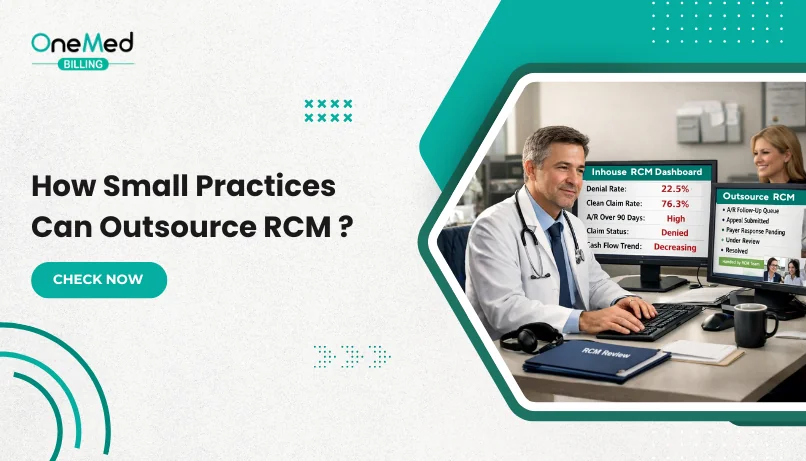
If your team has enough time and mistakes are not too much, then you can manage coding in-house. With better training and proper system, things can improve. But if errors are happening again and again and your team already feeling overloaded, then outsourcing becomes better option. You get experienced coders, better accuracy, and your internal team also gets some relief. So it depends on your workload, team capacity, and how much loss you are facing because of coding errors.
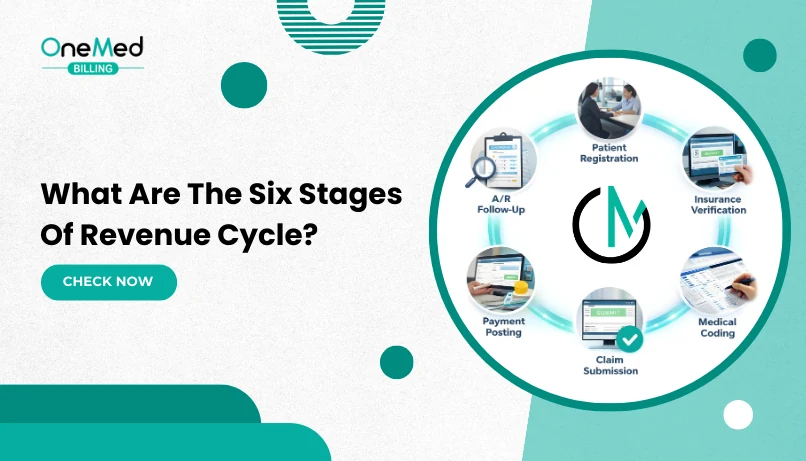
A professional RCM partner brings proper experience and structured process into your billing. At OneMed, we understand all stages of the revenue cycle and our team stays updated with coding changes and payer rules, so chances of mistakes stay very low. We also use smart tools to check claims before submission, so errors get caught early. Because of this, accuracy improves and denials come down. For your practice, this means faster payments, more stable cash flow, and less stress on your internal team.
Frequently Asked Questions
Find quick answers to common questions about this topic, explained simply and clearly.
What are some consequences of incorrect coding?
Incorrect coding can cause claim denials, delayed reimbursements, compliance issues, and even audits. It also affects reporting accuracy and patient billing, leading to revenue loss and administrative rework.
Why is accurate billing coding important?
Accurate coding ensures claims are processed correctly, providers are paid on time, and billing complies with payer and federal guidelines. It also improves data accuracy for reporting and patient care analysis.
What are the three types of errors in coding?
The main coding errors include upcoding (billing for a higher service), undercoding (missing or lower-level codes), and unbundling (billing separately for services that should be combined).
How can an organization improve its revenue cycle management?
Organizations can improve RCM by using accurate coding, verifying eligibility before claims submission, tracking denials closely, training staff regularly, and automating payment posting and follow-up processes.